Choosing Between NHS and Private Cataract Surgery


Call Us: Mon-Fri 9am-5:30pm
0330 058 5023
Diabetes can affect many parts of the body, and the eyes are no exception. High blood sugar levels over time can damage the delicate blood vessels in the eyes, increasing the risk of serious conditions that may threaten vision. Understanding these risks and taking proactive steps is essential for maintaining healthy eyesight.
Diabetic retinopathy is a condition where high blood sugar damages the tiny blood vessels in the retina. Early stages often show no symptoms, but it can progress to cause blurred vision, floaters, or even vision loss. Regular eye exams and screening are crucial for early detection and treatment.
People with diabetes are more likely to develop cataracts earlier than those without the condition. Cataracts cause the eye’s natural lens to become cloudy, leading to blurred or dim vision. Surgery is usually effective in restoring sight.
Diabetes increases the risk of glaucoma, a condition where pressure builds up in the eye, damaging the optic nerve. Often developing silently, glaucoma can lead to permanent vision loss if left untreated.
Macular Oedema occurs when fluid leaks into the macula, the central part of the retina responsible for sharp vision. It can cause blurred vision and is a common complication of diabetic retinopathy.
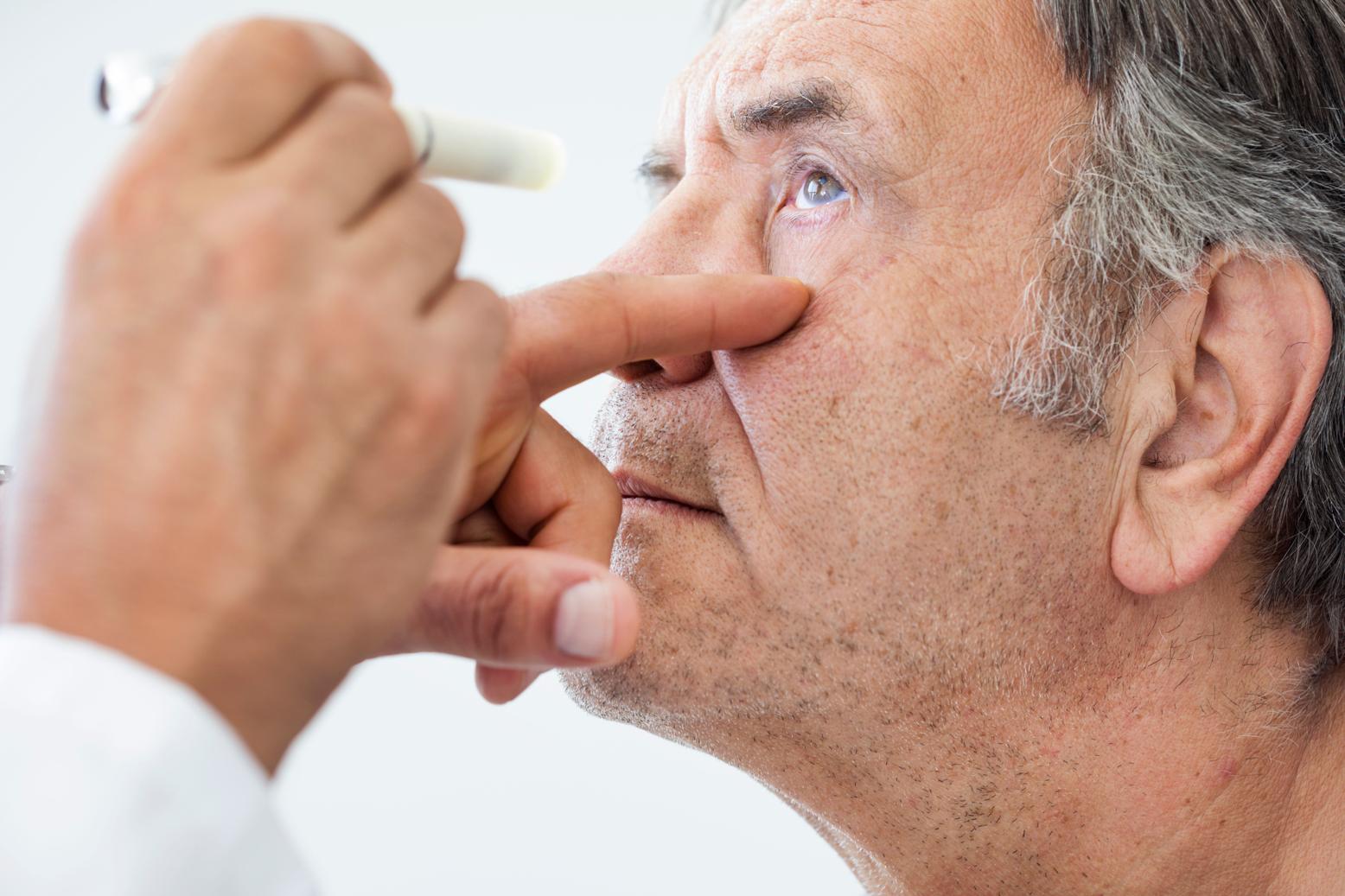
Comprehensive eye exams are vital for people with diabetes. Early detection allows treatment before serious damage occurs. People with diabetes should ideally have annual eye checks, or more frequently if advised by their optician or ophthalmologist.
Keeping these levels under control significantly reduces the risk of developing diabetes-related eye conditions.
Report any changes in vision immediately. Blurriness, floaters, dark spots, or sudden vision changes should never be ignored.
Eating a balanced diet, exercising regularly, avoiding smoking, and maintaining a healthy weight all support overall eye health.
If diabetic eye conditions are detected, treatments such as laser therapy, injections, or surgery can prevent further vision loss. Early intervention is key.
Diabetes can have serious effects on the eyes, but with awareness, regular check-ups, and proper management, most diabetes-related eye conditions are preventable or manageable. Protecting your vision is an important part of managing diabetes, and staying informed is the first step.
By prioritising eye health and seeking professional care when needed, people with diabetes can preserve their sight and maintain quality of life.